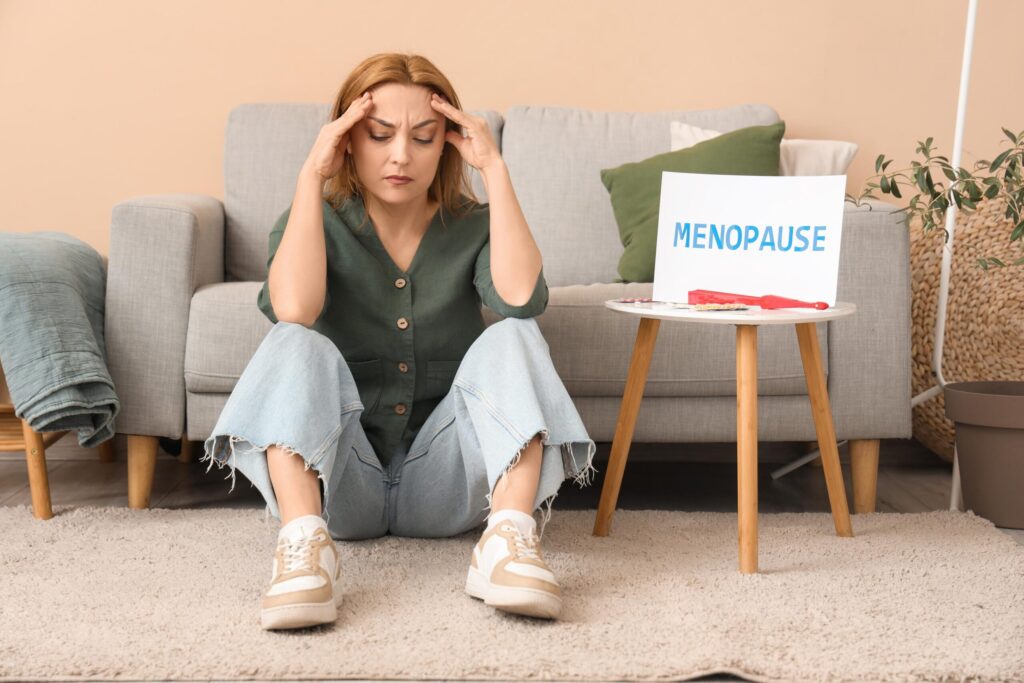
Perimenopause and menopause often get mixed up, leaving many women unsure about what’s really happening to their bodies. You might notice changes like irregular periods, hot flashes, or mood shifts and wonder if it’s perimenopause symptoms or menopause symptoms. Understanding these differences helps you take control and find the right support—from testing to personalized care options available at IUVENTUS MEDICAL CENTER in Las Vegas. This article offers Perimenopause vs Menopause: Simple Signs, Clear Answers, and Support in Las Vegas to help you find clarity. Ready for clarity? Keep reading to get clear answers and practical steps tailored just for you.
Understanding Perimenopause and Menopause
Figuring out whether you’re experiencing perimenopause or menopause can be confusing. Let’s break it down so you know what to expect and when.
Key Differences Explained
Perimenopause is the transition period before menopause. During this time, your body gradually produces less estrogen. This stage can last anywhere from a few months to several years. Menopause, on the other hand, is marked by the end of menstrual cycles. You’ve officially reached menopause after 12 consecutive months without a period.
Understanding these differences is crucial. Perimenopause can start in your 40s and lead up to menopause, which typically occurs around age 51. Knowing where you fall can guide your health decisions. For more detailed insights, visit CNY Women’s Healthcare.
Recognizing Perimenopause Symptoms
Perimenopause can bring a variety of changes. You might notice your periods become irregular. They could be lighter, heavier, or simply skip months. Hot flashes and night sweats might also appear during this time. These symptoms can vary widely from one woman to another.
Mood changes are also common during perimenopause. You might feel more anxious or irritable than usual. Sleep issues can compound these mood shifts, making daily life tricky. These signs are your body’s way of signaling that hormones are shifting.
Identifying Menopause Symptoms
Menopause symptoms often overlap with perimenopause, but some are more pronounced. Hot flashes and night sweats are hallmark signs. Vaginal dryness and discomfort during intimacy can also increase as estrogen levels drop.
Sleep problems might become more persistent during menopause. These symptoms can affect your daily routine and overall well-being. Recognizing these signs can help you seek appropriate support and relief. For more on this, check out Medical News Today.
Managing Symptoms and Seeking Support

Once you understand your symptoms, it’s time to explore ways to manage them effectively and regain control.
Hormone Testing and Evaluation
Hormone testing is a vital step in managing menopause symptoms. It helps determine your hormone levels and guides treatment decisions. Blood tests can reveal estrogen and other hormone levels, giving you a clearer picture of your health.
Talking to a specialist about your symptoms can also make a difference. They can interpret your test results and tailor advice to your needs. This personalized approach ensures you get the right support from the start.
Treatment Options: BHRT for Women
Bio-Identical Hormone Replacement Therapy (BHRT) offers a natural approach to hormone balancing. It uses hormones identical to those your body naturally produces. This therapy can ease symptoms like hot flashes, mood swings, and vaginal dryness.
BHRT is available in various forms: creams, pills, and patches. Working with a healthcare provider ensures you find the option that suits you best. They can adjust dosages to optimize your well-being.
Lifestyle and Wellness Strategies
Lifestyle changes can also alleviate menopause symptoms. Regular exercise helps maintain a healthy weight and boosts mood. Prioritizing sleep and managing stress can further improve your quality of life.
Diet plays a critical role too. Incorporate foods rich in calcium and vitamin D to support bone health. Staying hydrated and avoiding triggers like caffeine can reduce hot flashes.
Personalized Care at IUVENTUS MEDICAL CENTER

At IUVENTUS MEDICAL CENTER, we offer personalized care to help you through menopause.
Hormonal Balance and Wellness Planning
Our center focuses on balancing hormones to enhance your quality of life. We create wellness plans tailored to your unique needs. Our goal is to help you feel like yourself again, with improved energy and mood.
Comprehensive Services Offered
We offer a range of services to support your journey. From hormone therapy to lifestyle coaching, we cover all bases. Our experienced team is here to guide you every step of the way.
Scheduling Your Private Evaluation
Ready to take control? Schedule a private evaluation at IUVENTUS MEDICAL CENTER. Our experts will assess your needs and design a plan just for you. Don’t wait to start feeling better.
Frequently Asked Questions
What is the main difference between perimenopause and menopause?
Perimenopause is the transition phase before menopause when hormone levels begin to fluctuate. Menopause is defined as going 12 months without a period, marking the end of your reproductive years.
How can I tell if my symptoms are due to menopause?
Common menopause symptoms include hot flashes, night sweats, vaginal dryness, and sleep disturbances. If these are persistent and affecting your daily life, consulting a healthcare provider can provide clarity.
What are some lifestyle changes that can help manage menopause symptoms?
Regular exercise, a balanced diet rich in calcium and vitamin D, stress management, and adequate sleep can all help manage menopause symptoms effectively.
👇 Visit us at E. Flamingo or S. Rainbow—Book here:
Key Takeaways
- Perimenopause and menopause often confuse women, but understanding their differences is essential for effective management.
- Perimenopause is a transition phase leading to menopause, which officially begins after 12 months without a period.
- Common symptoms include irregular periods, hot flashes, mood changes, and sleep issues during perimenopause and menopause.
- Hormone testing and treatments like BHRT can help manage symptoms and improve quality of life.
- IUVENTUS MEDICAL CENTER offers personalized care and wellness plans to support women experiencing menopause in Las Vegas.